
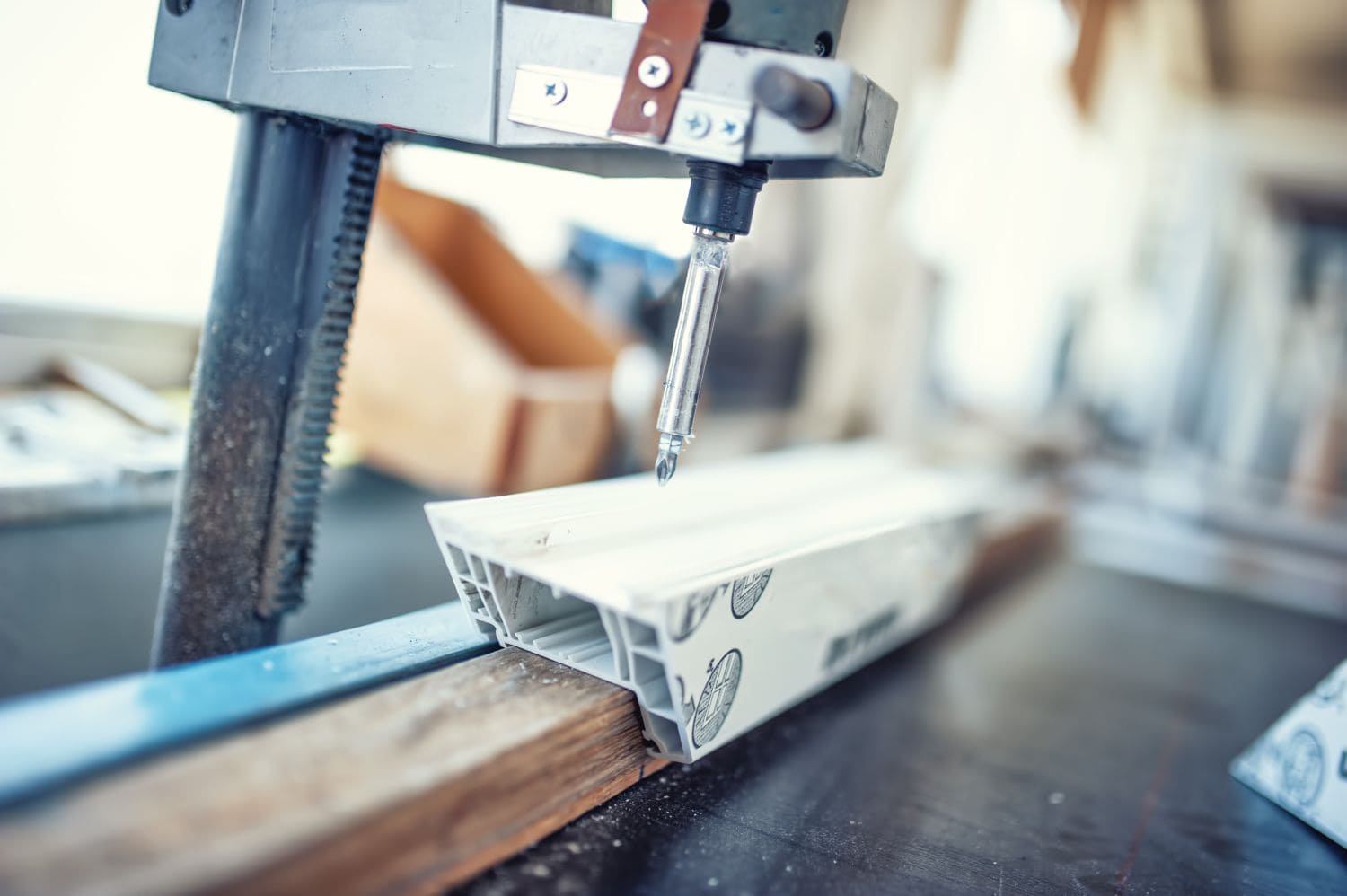
Plastic extrusion plays an important role in modern manufacturing. Custom plastic profiles are used in everything from construction materials and industrial equipment to medical devices and consumer products. These components often appear simple, but their performance depends heavily on material selection, profile design, and production consistency. Because of this, the manufacturer behind those parts matters just as much as the design itself.
Engineers and procurement teams must evaluate potential partners carefully to avoid production issues, performance limitations, or supply disruptions later. Selecting the right extrusion manufacturer involves understanding technical capabilities, engineering support, manufacturing processes, and long-term reliability.
In this guide, we explain the most important factors to review when evaluating plastic extrusion manufacturers, the steps engineers and buyers can follow during the selection process, and the key questions that help identify the right long-term extruded plastic manufacturing partner.
The Importance of Choosing the Right Extruded Plastic Manufacturer
A plastic extrusion manufacturer is a company that produces parts from a drawing; however, the right partner also contributes engineering insight, helps refine product designs, and supports stable production over the life of a program.
When the partnership works well, manufacturers can help improve profile performance, reduce material usage, and simplify tooling. Their experience with extrusion processes often identifies design improvements that reduce production complexity and improve dimensional stability.
The opposite scenario can create significant challenges. Poor tooling design may result in dimensional variation, and limited engineering support can lead to material selection problems or structural weaknesses. At the same time, inconsistent production can disrupt assembly schedules and delay shipments.
For engineers, product designers, and sourcing teams, selecting a knowledgeable plastic extrusion partner helps reduce risk and improves the likelihood of long-term production success.
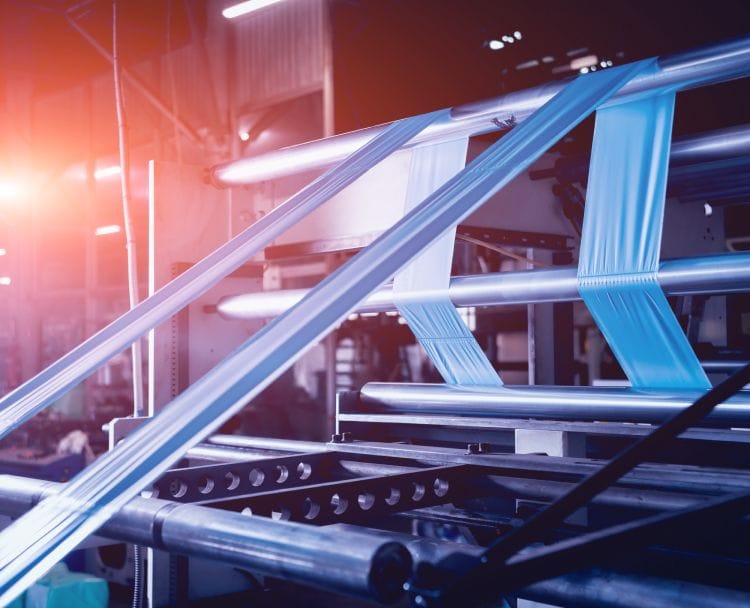
Key Factors to Consider When Selecting a Plastic Extrusion Manufacturer
For engineers and procurement teams, evaluating extrusion suppliers requires looking beyond price or proximity. While many plastic extrusion manufacturers can produce basic profiles, the right partner brings a deeper combination of engineering knowledge, process control, and manufacturing experience.
The following factors highlight the capabilities and qualities that often separate dependable manufacturing partners from suppliers that may struggle with complex or long-term production programs.
Technical Expertise & Industry Experience
Plastic extrusion is both a science and an art. While the process itself may appear straightforward, producing consistent custom profiles requires deep experience with materials, tooling, and process control.
Manufacturers with extensive extrusion experience understand how different thermoplastics behave under heat and pressure. They know how to maintain dimensional stability, manage cooling, and refine tooling to achieve tight tolerances.
Industry familiarity also matters. A manufacturer that regularly serves your industry is more likely to understand regulatory requirements, performance expectations, and common design challenges. For example, a partner experienced with architectural profiles may approach dimensional stability differently than one focused on medical tubing or industrial components.
Design & Engineering Support
Many extrusion projects begin with a concept or an early-stage design. Strong engineering support can dramatically improve the final product. Engineering collaboration early in the process can also reduce development timelines and minimize costly design revisions later.
Experienced extrusion manufacturers help refine profile geometry to improve manufacturability, reduce material usage, and improve structural performance. Small design adjustments often simplify tooling or improve production stability.
Manufacturing Capabilities
Not all extrusion manufacturers offer the same equipment, technologies, or production flexibility. Some specialize in simple profiles produced at high volume, while others focus on complex geometries, tight tolerances, co-extrusion, or specialized materials.
When evaluating potential partners, it’s important to confirm that their manufacturing capabilities align with your product requirements. Key considerations include the range of extrusion lines available, profile size capabilities, tolerance control, and the ability to produce complex custom shapes.
Material Selection & Capabilities
Thermoplastics used in extrusion include materials such as polyvinyl chloride (PVC), polyethylene (PE), polypropylene (PP), polycarbonate (PC), acrylonitrile butadiene styrene (ABS), and many specialty compounds. Each material offers different characteristics related to durability, flexibility, chemical resistance, and temperature performance.
A knowledgeable extrusion partner helps evaluate material options based on the demands of the final application. They may recommend alternative resins or additives that improve strength, weather resistance, or cost efficiency.
Access to a broad network of material suppliers also provides greater flexibility when sourcing specialized compounds.
Quality Control & Certifications
Consistency is one of the most important indicators of a reliable extrusion partner. Even minor variations in profile dimensions or material properties can affect downstream assembly and product performance.
Manufacturers with robust quality management systems monitor key production variables, perform dimensional inspections, and track process stability throughout each run. Look for plastic extrusion companies that document inspection procedures, maintain traceability, have the necessary certifications, and apply structured quality management practices.
Production Capacity & Scalability
Your manufacturing partner should be capable of supporting both current production needs and future growth. Some extrusion manufacturers focus on prototype runs or short production cycles, while others operate large-scale production environments. Understanding a supplier’s capacity helps determine whether they can support higher volumes as your product demand grows.
Production flexibility also matters. The ability to run both small batches and long production runs provides valuable flexibility for evolving programs.
Custom Tooling & Die Development
Extrusion tooling plays a major role in profile quality and dimensional accuracy. Well-designed dies improve surface finish, stabilize flow, and support consistent production.
Manufacturers with in-house tooling development often provide faster turnaround during product development. They can refine dies more quickly, make adjustments during testing, and optimize performance over time.
Close collaboration between tooling specialists and extrusion operators typically produces better results than outsourcing die design to third parties.
Lead Times & Supply Chain Reliability
Consistency in delivery performance is just as important as product quality.
Manufacturing timelines affect the entire supply chain. Delays in extrusion production can disrupt assembly schedules, product launches, or customer deliveries. Reliable extrusion partners maintain structured production scheduling, dependable raw material sourcing, and clear communication around lead times.
Communication & Customer Support
Strong communication plays an essential role in successful manufacturing partnerships. Engineers and procurement teams benefit from suppliers that provide responsive support, clear technical feedback, and collaborative problem solving. Manufacturers that remain engaged throughout development and production are often better positioned to resolve issues quickly and improve outcomes.
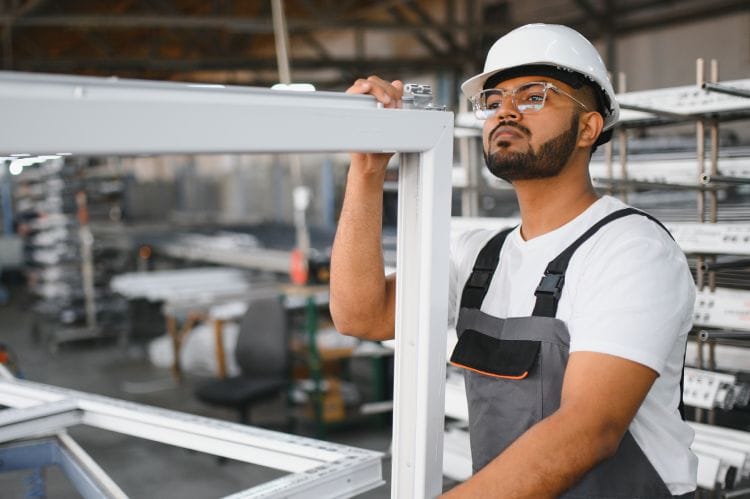
How to Find a Long-Term Plastic Extrusion Partner: 7 Steps to Follow
Once you understand what capabilities matter most, the next step is turning that knowledge into a practical evaluation process. Engineers and sourcing teams often review multiple manufacturers before selecting a partner, and having a structured approach makes that process far more productive.
Follow these steps to evaluate plastic extrusion manufacturers, compare capabilities, and identify a partner that can support both initial development and long-term production.
Step 1: Define Your Product Requirements
Before contacting potential manufacturers, take time to clearly document the technical requirements of your extrusion project. A well-defined specification allows suppliers to evaluate feasibility and provide more accurate guidance.
Important details may include the type of thermoplastic material, dimensional tolerances, structural or mechanical performance requirements, environmental exposure, and expected production volumes. If the component will be used in a regulated environment or specialized application, those conditions should also be documented early.
The more information you can provide up front, the easier it becomes for manufacturers to assess tooling needs, recommend materials, and estimate production costs.
Step 2: Research Potential Manufacturers
With requirements defined, begin researching manufacturers that specialize in custom plastic extrusion. Online resources, industry directories, case studies, and technical documentation can provide insight into a manufacturer’s experience and reputation.
Not every supplier has the same capabilities, so it is important to focus on companies that regularly produce the type of profiles your application requires. Review their technical capabilities, production equipment, and engineering services. Look for manufacturers that highlight custom profile work, material expertise, and collaborative development support.
Step 3: Request Samples or Prototypes
Whenever possible, request sample profiles or prototype runs before committing to full production.
Physical samples provide valuable insight that drawings alone cannot deliver, and prototyping allows engineers to evaluate dimensional accuracy, surface finish, rigidity, and fit within the final assembly. Testing profiles under real operating conditions may also reveal opportunities to refine the design or material selection.
Early prototypes help identify potential improvements while changes remain relatively simple to implement.
Step 4: Evaluate Engineering & Technical Support
The early conversations you have with a potential extrusion partner often reveal the level of technical collaboration they provide. Strong partners ask thoughtful questions about the product, the application environment, and performance expectations. They review profile geometry, suggest potential design improvements, and discuss how tooling or material changes could improve manufacturability.
Manufacturers that actively participate in the development process often contribute valuable insight that improves both product performance and production efficiency.
Step 5: Compare Manufacturing Capabilities & Quality Systems
Once you narrow down potential suppliers, examine their manufacturing infrastructure more closely. Production equipment, process controls, and inspection practices all influence the consistency of extruded profiles.
Ask about extrusion line capabilities, tolerance control, and dimensional inspection procedures. Manufacturers that apply structured production processes and documented quality systems typically produce more consistent results over long production runs.
Step 6: Assess Production Capacity & Lead Times
Production capacity plays an important role in long-term program success, and reliable scheduling and realistic delivery timelines help maintain stable supply chains. A manufacturer that can produce prototypes successfully may not always have the infrastructure to support large-scale production, so be sure to discuss expected production volumes, scheduling flexibility, and standard lead times.
Understanding how the manufacturer manages production planning helps determine whether they can support both current demand and future growth.
Step 7: Consider Long-Term Partnership Potential
Plastic extrusion programs rarely remain static. Product designs evolve, volumes change, and performance requirements may shift as products mature.
Selecting a manufacturer that values collaboration and long-term relationships can make those transitions much smoother. Partners that remain engaged with your engineering and sourcing teams can support design refinements, tooling adjustments, and production improvements as your program develops.
A dependable extrusion partner ultimately becomes part of your extended manufacturing team.
Questions to Ask an Extruded Plastic Manufacturer
When evaluating potential partners, asking the right questions can reveal valuable insight into their capabilities and experience. Key questions may include the following:
- What thermoplastic materials do you commonly process?
- Do you provide engineering assistance during profile design and development?
- How is extrusion tooling designed and maintained?
- What inspection and quality control methods are used during production?
- Can you support both prototype runs and large production volumes?
- What typical lead times apply to tooling development and production?
- What industries do you regularly serve?
- How do you manage design revisions or product updates?
The answers to these questions help determine whether a plastic extrusion manufacturer can support your project from early development through long-term production.
FAQs About Choosing a Plastic Extrusion Manufacturer
How Do I Choose the Right Plastic Extrusion Manufacturer?
Start by evaluating the manufacturer’s engineering expertise, extrusion capabilities, material knowledge, and quality control processes. A reliable partner should also provide design support, demonstrate consistent production performance, and have the capacity to support your expected volumes over time.
Why Is Engineering Support Important in Plastic Extrusion?
Engineering collaboration helps refine profile designs for manufacturability and performance. Experienced plastic extrusion manufacturers can recommend geometry adjustments, alternative materials, or tooling improvements that simplify production and improve dimensional stability.
Can Plastic Extrusion Manufacturers Produce Prototypes?
Many custom extruded plastic manufacturers offer prototype or short production runs before full-scale manufacturing begins. Prototypes allow engineers to test profile dimensions, material behavior, and fit within the final assembly before committing to high-volume production.
What Role Does Tooling Play in Extrusion Quality?
Extrusion dies shape the molten plastic as it exits the extrusion line, so tooling quality directly affects profile accuracy, surface finish, and production consistency. Well-designed dies allow stable material flow and tighter tolerance control during long production runs.
How Long Does It Take to Develop an Extrusion Profile?
Development timelines vary depending on profile complexity, tooling requirements, and material selection. In many cases, tooling design and prototype production may take several weeks, followed by testing and refinement before full production begins.
Contact Lakeland Plastics: The Leading Extruded Plastic Manufacturer
Selecting the right plastic extrusion manufacturer is a strategic decision that influences product quality, production stability, and long-term manufacturing success. Engineers and procurement teams benefit from partners who combine strong engineering expertise, modern manufacturing capabilities, disciplined quality control, and reliable communication.
At Lakeland Plastics, we’ve built our reputation by supporting manufacturers with custom plastic extrusion solutions tailored to demanding applications. With decades of experience, advanced extrusion capabilities, and a collaborative engineering approach, we work closely with clients to transform product concepts into reliable production components.
If you’re searching for a trusted partner for custom plastic extrusion, the team at Lakeland Plastics is ready to help guide your project from concept through production. Contact us or request a quote today to discuss your project and discover how our expertise can move your vision forward.
