

Replacing Legacy or Discontinued Extruded Plastic Profiles: A Practical Guide
Learn how to replace discontinued plastic extrusion profiles from samples or drawings, what details to gather, and how to choose the right partner.
Custom Plastic Extrusions for Designers and Engineers
Learn how to replace discontinued plastic extrusion profiles from samples or drawings, what details to gather, and how to choose the right partner.

Most custom plastic extrusion projects don’t end when the profile leaves the line. The extruded part is often just the starting point. Before it reaches a customer, a product line, or a final assembly, it may need to be cut to length, punched, drilled, routed, welded, printed, or assembled with other components. These are secondary…

For years, offshore plastic extrusion has been a go-to option for manufacturers looking to reduce per-unit costs. The appeal is understandable. Lower labor rates and large production runs made overseas sourcing look attractive on a spreadsheet. But the full picture is more complicated, and a growing number of engineers and procurement teams are learning that…

Tolerance is one of those topics that can make or break a plastic extrusion project. Engineers often focus most of their attention on material selection, profile geometry, and tooling design, and for good reason. But when a part needs to fit precisely into an assembly, seal against another surface, or perform reliably in a demanding…

Plastic extrusion has become a go-to method for manufacturers looking to create consistent, high-quality plastic parts. It offers incredible versatility, scalability, and cost advantages when handled strategically. Knowing what drives the cost of plastic extrusion—and how to optimize the process—can help you make smarter decisions for your production needs and get more value out of…
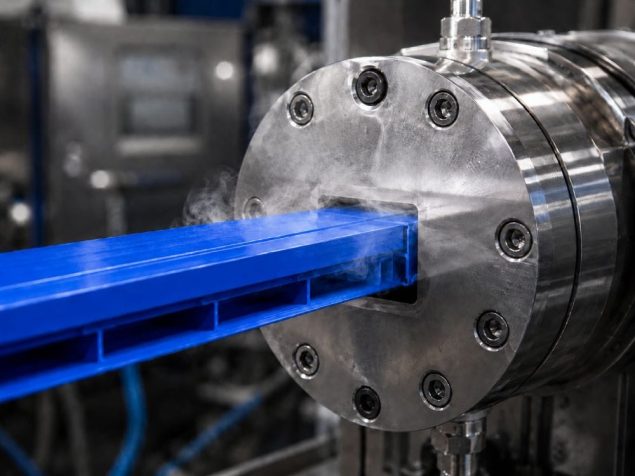
Plastic extrusion can turn raw thermoplastic material into a continuous profile, tube, rod, sheet, coating, or multi-material part. But the quality of the finished product does not come from the extruder alone. One of the most important pieces of the process is the plastic extrusion die. The die is where molten plastic begins to take…
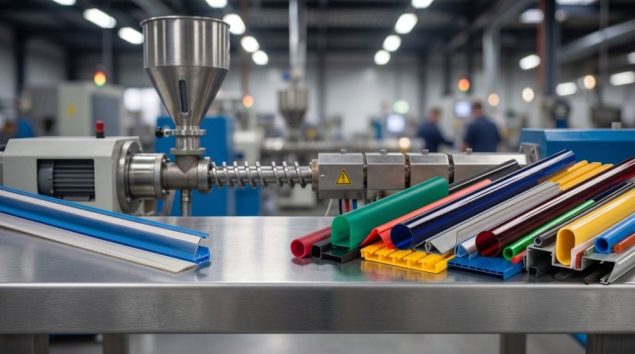
Plastic extrusion is a high-volume manufacturing process known for producing continuous, uniform plastic products. A key factor in its success is the design and tooling involved in shaping raw plastic into finished products. It rewards designs that are built with how material actually flows, cools, and stabilizes in mind. When design and tooling are aligned…
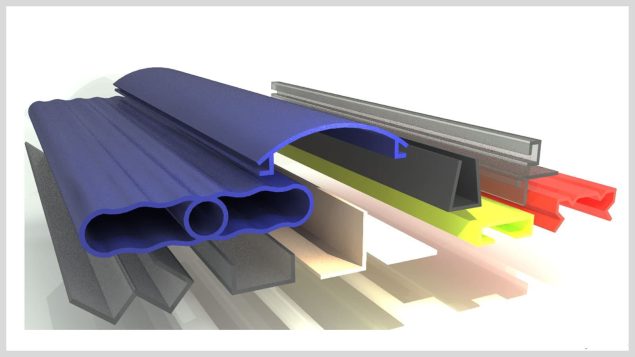
Plastic extrusion plays an important role in modern manufacturing. Custom plastic profiles are used in everything from construction materials and industrial equipment to medical devices and consumer products. These components often appear simple, but their performance depends heavily on material selection, profile design, and production consistency. Because of this, the manufacturer behind those parts matters…
Custom extrusions are a critical part of the design and production process across a wide range of industries and are integral to today’s manufacturing workflows. Unlike mass-produced standard extrusions, custom profiles are engineered to meet exact specifications, providing manufacturers with the flexibility to create highly functional and tailored products. As industries continue to evolve, these…
Two of the most common methods for producing plastic components are plastic extrusion and thermoforming. While both processes are widely used, they’re built for different types of parts, different production goals, and different design requirements. Choosing the right manufacturing process can shape everything that follows, from product performance and consistency to lead times and long-term…